
ESG and sustainability
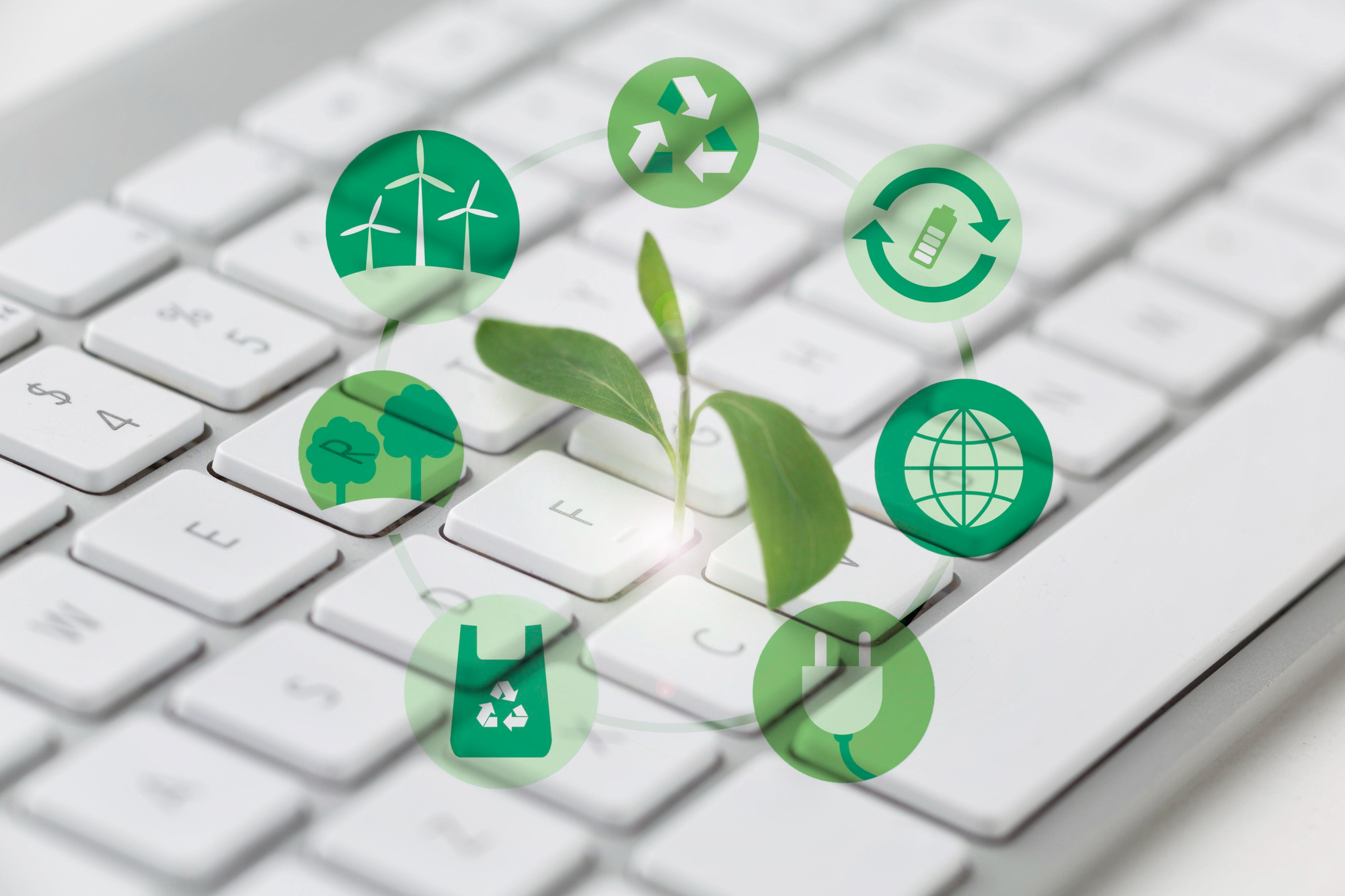
IT ESG and Sustainability: Building Responsible Digital Operations
Technology is central to modern business, but it also has a significant environmental, social, and governance impact. Every application, device, server, network, and cloud service consumes resources and influences how people work and access digital services.
As organizations work toward more sustainable and responsible operations, IT teams have an important role to play. By improving energy efficiency, protecting data, supporting inclusion, and strengthening governance, technology departments can help organizations achieve meaningful ESG goals.
What Is IT ESG?
IT ESG refers to the environmental, social, and governance responsibilities associated with an organization’s technology operations.
It covers areas such as:
- Energy consumption and carbon emissions
- Data center and cloud efficiency
- Hardware procurement and disposal
- Electronic waste reduction
- Data privacy and cybersecurity
- Digital accessibility and inclusion
- Employee wellbeing and skills development Ethical supplier management
- Regulatory compliance and accountability
IT ESG is not a separate activity from technology management. It should be incorporated into software development, infrastructure planning, procurement, security, and everyday operational decisions.
The Environmental Impact of IT
Although software is digital, it relies on physical infrastructure. Data centers, servers, laptops, mobile devices, networking equipment, and storage systems all require energy and raw materials.
Technology organizations can reduce their environmental impact by:
- Improving application and infrastructure efficiency
- Reducing unnecessary data storage
- Extending hardware lifecycles
- Selecting energy-efficient equipment
- Using renewable-energy data centers where possible
- Managing cloud resources according to actual demand
- Recycling or responsibly disposing of electronic equipment
- Measuring energy use and carbon emissions
Environmental responsibility begins with understanding how technology resources are used. Without reliable measurement, it is difficult to identify waste or track progress.
Green Software Engineering
Green software engineering focuses on designing and operating applications with minimal resource consumption.
Developers can support sustainability by creating software that:
- Uses fewer processing resources
- Reduces unnecessary network traffic
- Stores only essential data
- Loads quickly and efficiently
- Works effectively on older devices
- Uses optimized images, files, and media
- Avoids unnecessary background activity
- Scales infrastructure according to demand
Efficient software can reduce energy consumption while also improving performance, lowering infrastructure costs, and creating a better user experience.
Sustainability should be considered during architecture and design, rather than treated as an improvement to make after a system has been built.
Responsible Cloud and Data Center Management
Cloud computing can improve flexibility and reduce the need for organizations to operate their own physical infrastructure. However, poorly managed cloud environments can result in overprovisioned resources, unnecessary storage, and avoidable costs.
IT teams can improve cloud sustainability by:
- Removing unused resources
- Automatically scaling systems
- Reviewing storage and backup policies
- Selecting appropriate service sizes
- Monitoring utilization levels
- Consolidating workloads where practical
- Choosing providers with clear environmental commitments
- Including sustainability in infrastructure decisions
Regular reviews can reveal resources that are underused, duplicated, or no longer required.
Hardware Lifecycle and Electronic Waste
Hardware production requires raw materials, energy, and transportation. Discarding devices before the end of their useful life increases environmental impact and contributes to electronic waste.
Organizations can improve hardware sustainability by:
- Purchasing durable and repairable equipment
- Standardizing device models where practical
- Extending replacement cycles
- Repairing equipment instead of replacing it
- Reusing devices internally
- Donating suitable equipment
- Working with certified recycling providers
- Maintaining accurate asset inventories
Responsible disposal is important, but extending the useful life of equipment is often an even more effective way to reduce environmental impact.
The Social Responsibilities of IT
The social dimension of IT ESG considers how technology affects employees, customers, suppliers, and communities.
Technology should be designed and operated in ways that promote:
- Accessibility
- Inclusion
- Privacy
- Security
- Fair treatment
- Employee wellbeing
- Digital participation
- Safe working conditions
An application may be technically successful but still create social harm if it excludes users, collects excessive personal information, or exposes people to security risks.
Accessibility and Digital Inclusion
Sustainable technology should be usable by as many people as possible, including people with disabilities, users on older devices, and individuals with limited internet access.
Organizations can improve digital inclusion by:
- Following recognized accessibility standards
- Supporting screen readers and keyboard navigation
- Providing captions and text alternatives
- Using clear language and readable layouts
- Designing for different screen sizes
- Supporting low-bandwidth connections
- Testing with people who have diverse needs
- Avoiding unnecessary technical requirements
Accessibility improves the experience for everyone and helps organizations reach a wider audience.
Privacy and Cybersecurity
Privacy and cybersecurity are essential parts of responsible IT governance. Organizations have a duty to protect personal, financial, operational, and confidential information.
Good practices include:
- Collecting only necessary information
- Applying strong access controls
- Encrypting sensitive data
- Maintaining secure backups
- Monitoring systems for unusual activity
- Keeping software and dependencies updated
- Conducting regular security testing
- Training employees on cyber risks
- Creating and testing incident response plans
Privacy should be considered from the beginning of system design. Security controls should also be built into development and operational processes rather than added only after an incident occurs.
Governance and Accountability
The governance element of IT ESG ensures that technology decisions are transparent, controlled, and aligned with organizational responsibilities.
Effective IT governance includes:
- Clear ownership of systems and data
- Documented policies and procedures
- Defined approval processes
- Vendor and supplier assessments
- Risk management
- Regulatory compliance
- Regular audits
- Transparent reporting
- Business continuity planning
- Clear accountability for technology decisions
Strong governance helps organizations manage risk while ensuring that technology supports long-term business and social goals.
Sustainable Software Development Practices
Software teams can integrate ESG into their everyday work by:
1. Including sustainability in project planning
Consider energy use, accessibility, security, and lifecycle impact at the start of a project.
2. Measuring system performance
Track processing requirements, storage use, response times, and infrastructure utilization.
3. Reducing technical waste
Remove unused code, outdated services, redundant data, and unnecessary infrastructure.
4. Building accessibility into development
Include accessibility testing throughout the development lifecycle.
5. Practicing secure development
Use code reviews, dependency management, vulnerability scanning, and secure deployment processes.
6. Documenting technology decisions
Record why systems, suppliers, and infrastructure choices were made.
7. Reviewing systems regularly
Reassess applications and infrastructure to identify improvements and eliminate waste.
Measuring IT ESG Progress
Organizations need appropriate metrics to understand whether their IT ESG efforts are effective.
Useful indicators may include:
- Energy consumption
- Technology-related carbon emissions
- Cloud resource utilization
- Data storage growth
- Hardware reuse and recycling rates
- Application performance
- System availability
- Security incidents
- Privacy breaches
- Accessibility compliance
- Employee training completion
- Supplier ESG performance
- Technology lifecycle costs
Metrics should lead to practical improvements rather than becoming a purely administrative exercise. Results should be reviewed by both technology leaders and business stakeholders.
The Business Benefits of Sustainable IT
Responsible IT practices can provide significant business value.
Efficient systems may lower infrastructure and energy costs. Longer hardware lifecycles can reduce procurement expenses. Strong cybersecurity can prevent financial and reputational damage. Accessible services can reach more customers. Clear governance can improve decision-making and regulatory readiness.
Sustainability is therefore not only an environmental responsibility. It is also connected to operational efficiency, resilience, trust, and long-term competitiveness.
Conclusion
IT ESG and sustainability are becoming essential parts of responsible technology management. Organizations must look beyond short-term performance and consider the full impact of their digital operations.
By improving software efficiency, managing infrastructure responsibly, extending hardware lifecycles, protecting data, supporting accessibility, and strengthening governance, IT teams can help build more sustainable and resilient organizations.
The future of technology should not be measured only by what systems can do. It should also be measured by how efficiently they operate, how responsibly they are managed, and how positively they affect people and the planet.